This week, I began filling out a rather detailed questionnaire from Relais & Châteaux to help us better understand our carbon footprint. As I worked through it, I had a quiet realization: we are already doing so much (although it is still not enough) — and perhaps we don’t communicate it.
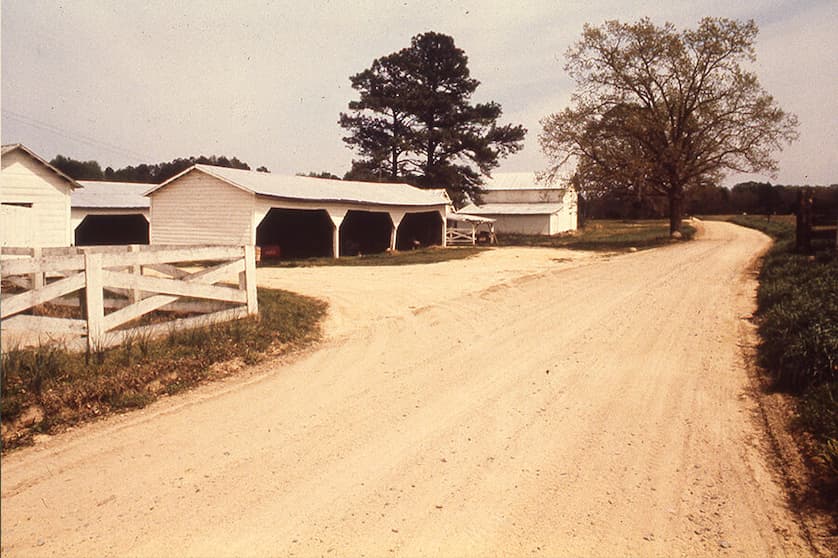
Being set on a former farm, stewardship comes naturally to us. Fearrington has always valued what’s here and how we care for it. Many of the Village Center buildings you know and love are adapted structures — the old homestead is now The Fearrington House Restaurant, the granary became The Belted Goat, the milking barn houses our shops, and the corn crib is Roost. Preserving and repurposing these spaces gives the Village its genuine character — and it’s inherently sustainable.
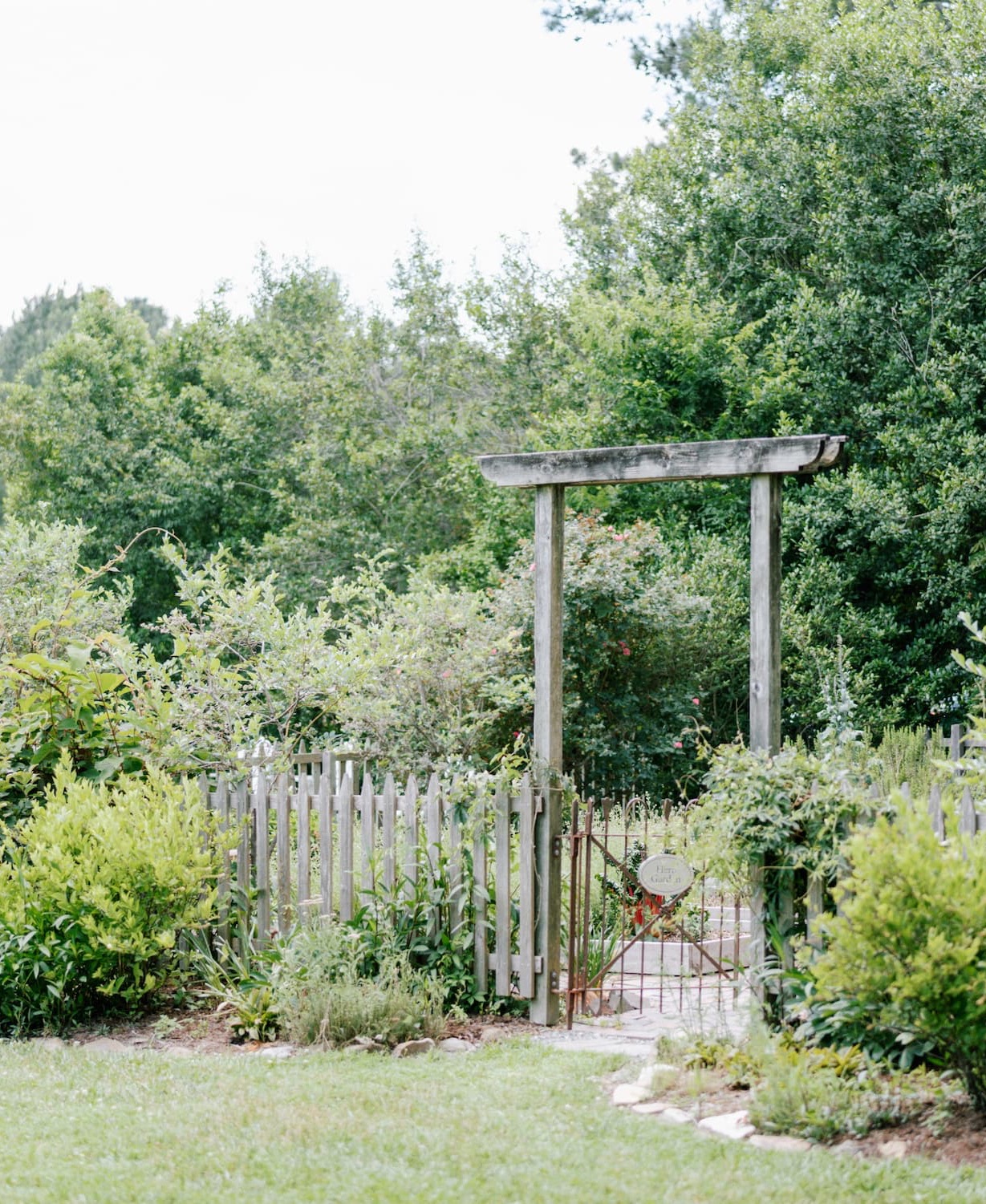
Outdoors, our commitment runs deep. We compost on site using garden debris, floral materials, and kitchen scraps. Trees removed for home sites are mulched and reused across the property. Our cutting gardens supply much of the floral material used in the restaurant, Inn, and events, and our herb garden feeds directly into the kitchens. Our greenhouse allows us to propagate many of our annuals and perennials from seed or division.
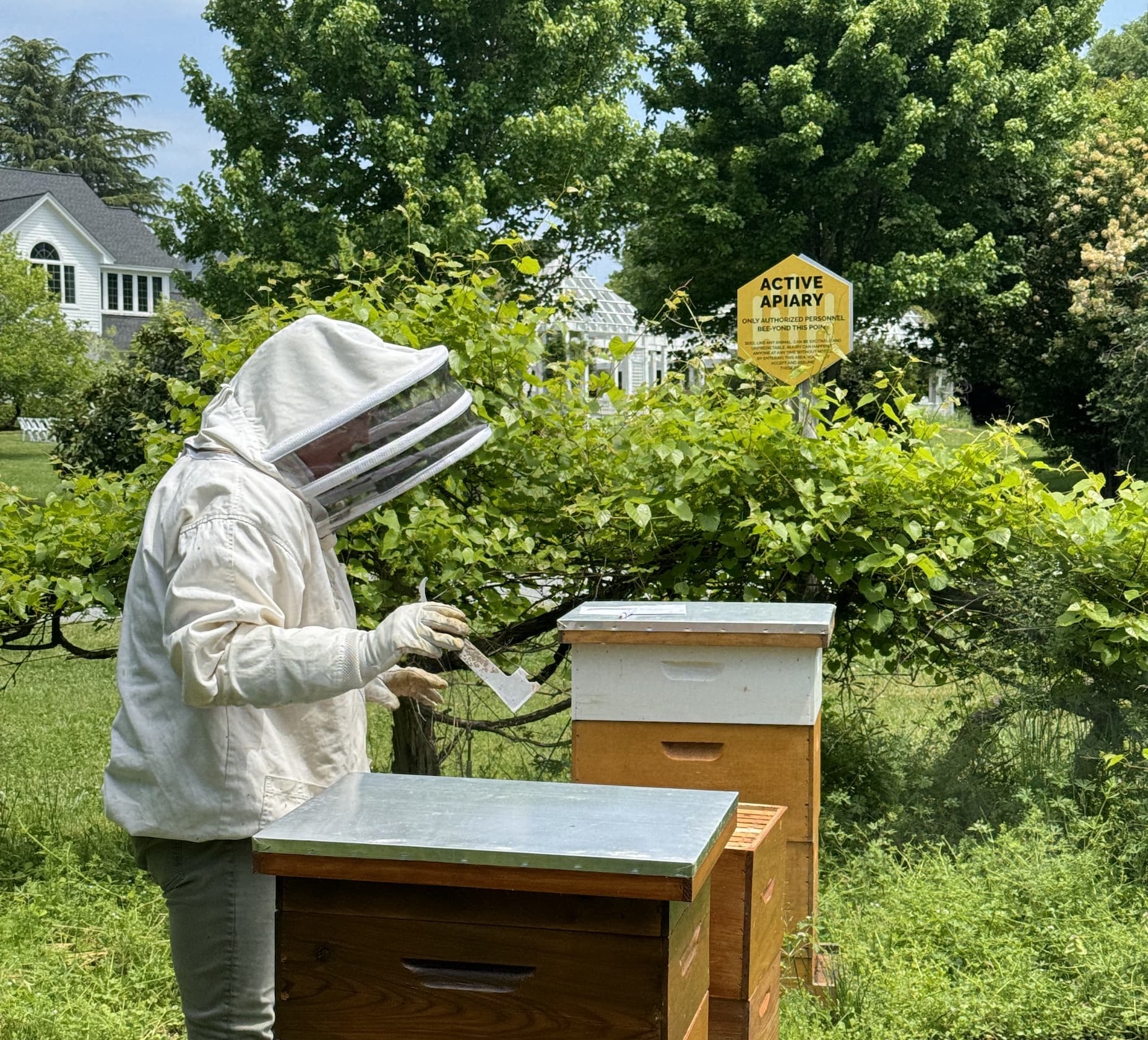
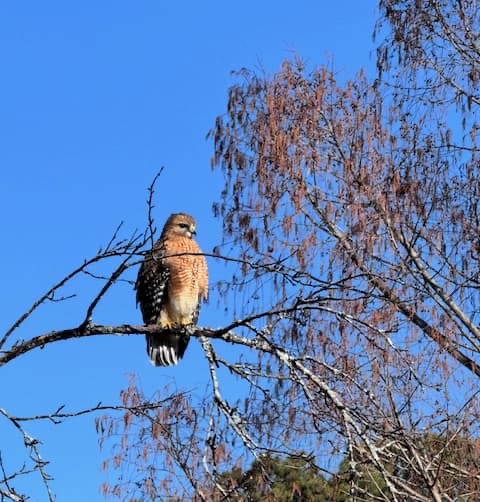
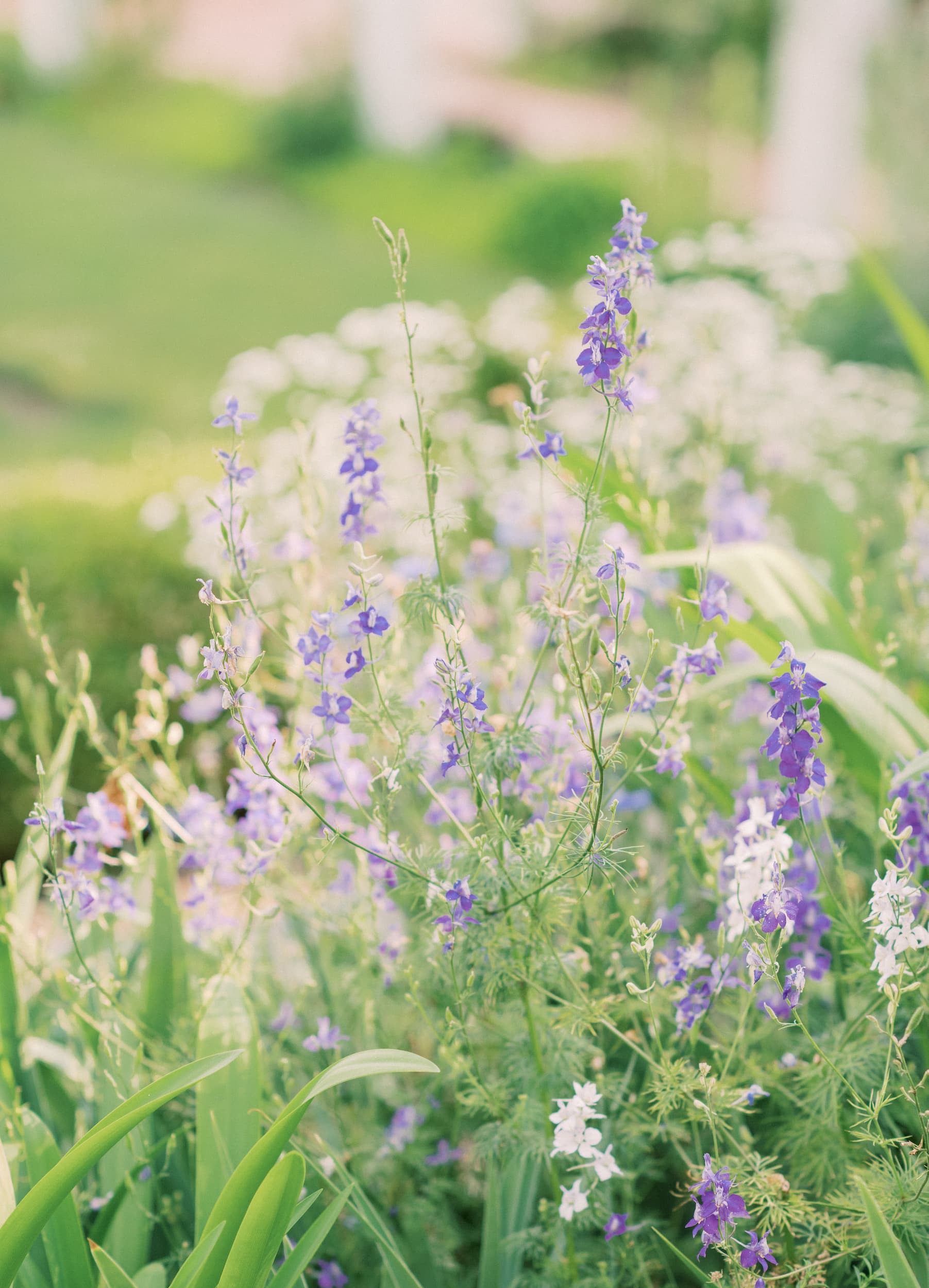
We plant predominantly native trees and shrubs to support birds and pollinators, and Camden Park includes a native wildflower meadow that strengthens biodiversity and soil health. Our honey bee program — now six hives — supports pollination across the property and provides honey for our kitchens and gourmet shop.
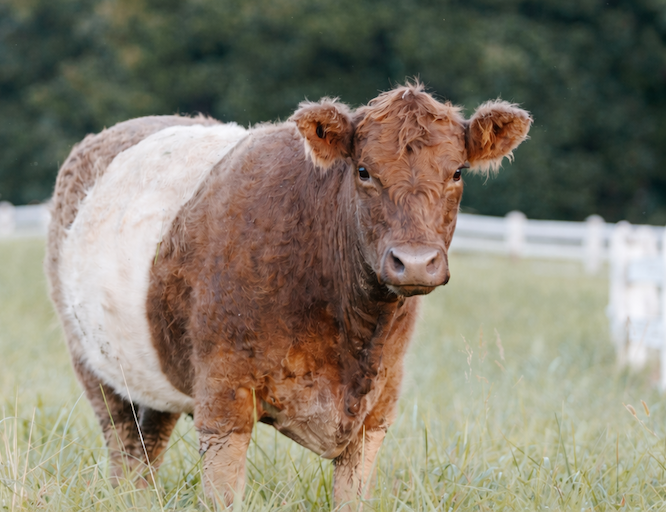
Our Belted Galloway cows, goats, chickens, and donkeys aren’t just charming — they help maintain the land, reduce waste, and keep pastures healthy. Even our black-and-white Wyandotte chickens provide fresh eggs and happily consume vegetable scraps from the kitchens.
Inside the Inn and restaurants, sustainability continues. Guests may request slippers and certain amenities to reduce unnecessary waste. Linens are changed every other day for those staying over unless requested, and damaged linens are repurposed or donated to shelters and community groups. We’ve eliminated printed newspapers, use refillable bath products, recycle glass, cardboard, and plastic, and convert fryer grease into ethanol fuel. Biodegradable straws, compostable cutlery, and recyclable packaging are used throughout the property.
We’ve also taken larger steps — transferring 250 acres of woodland to a regional nature conservancy to protect it permanently. Our largely gravity-fed wastewater system reduces energy use, and upcoming renovations will reduce nutrient discharge by roughly 90%. LED lighting, electric golf carts, and in-state sourcing for materials further reduce our footprint.
We are continually adding to our sustainability page as we improve our efforts. If you have ideas or suggestions, I would truly love to hear them. Please feel free to reach out at pr@fearrington.com — we are always looking for ways to do better.
Spring reminds us that renewal is constant. Stewardship, too, is ongoing. And we are grateful to care for this land — for you, and for the generations that follow.