I love our Fearrington seeded sourdough bread. I usually have one slice every morning, toasted, which presents a small problem: it takes me quite a while to make my way through an entire loaf.
For the past few years, my solution has been simple. I bring a loaf home, put it in the freezer and take out a slice when I want one and toast it. It works perfectly well, but recently I started reading about beeswax-lined bread bags and became curious.
As I tend to do when something catches my attention, I did a little research. Then a little more. I read reviews. I read about why people who bake sourdough seem to love these bags. Eventually I was intrigued enough that we ordered some for the Gourmet Store at The Belted Goat.
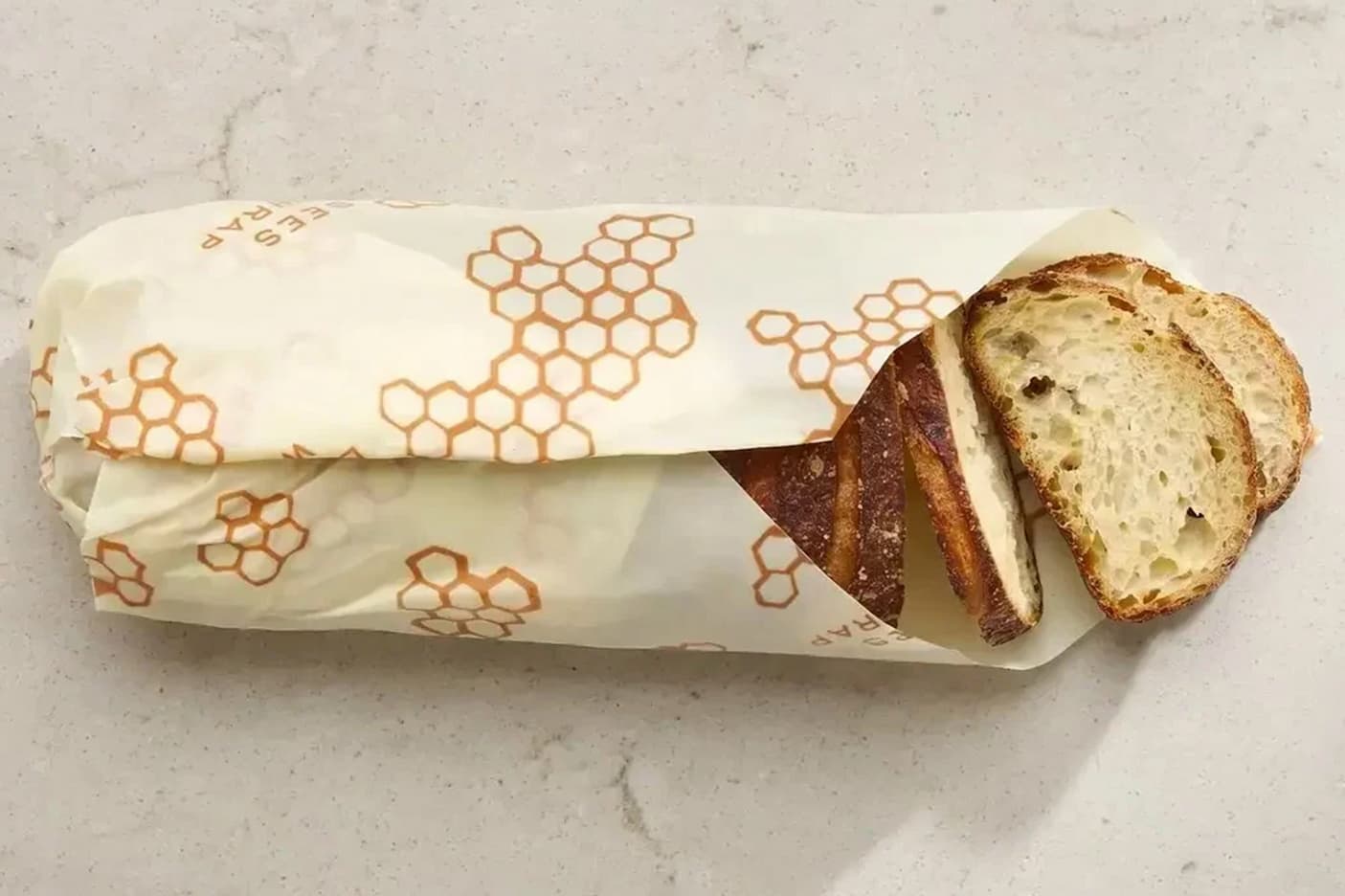
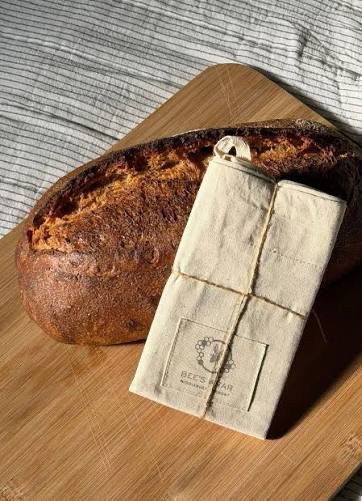
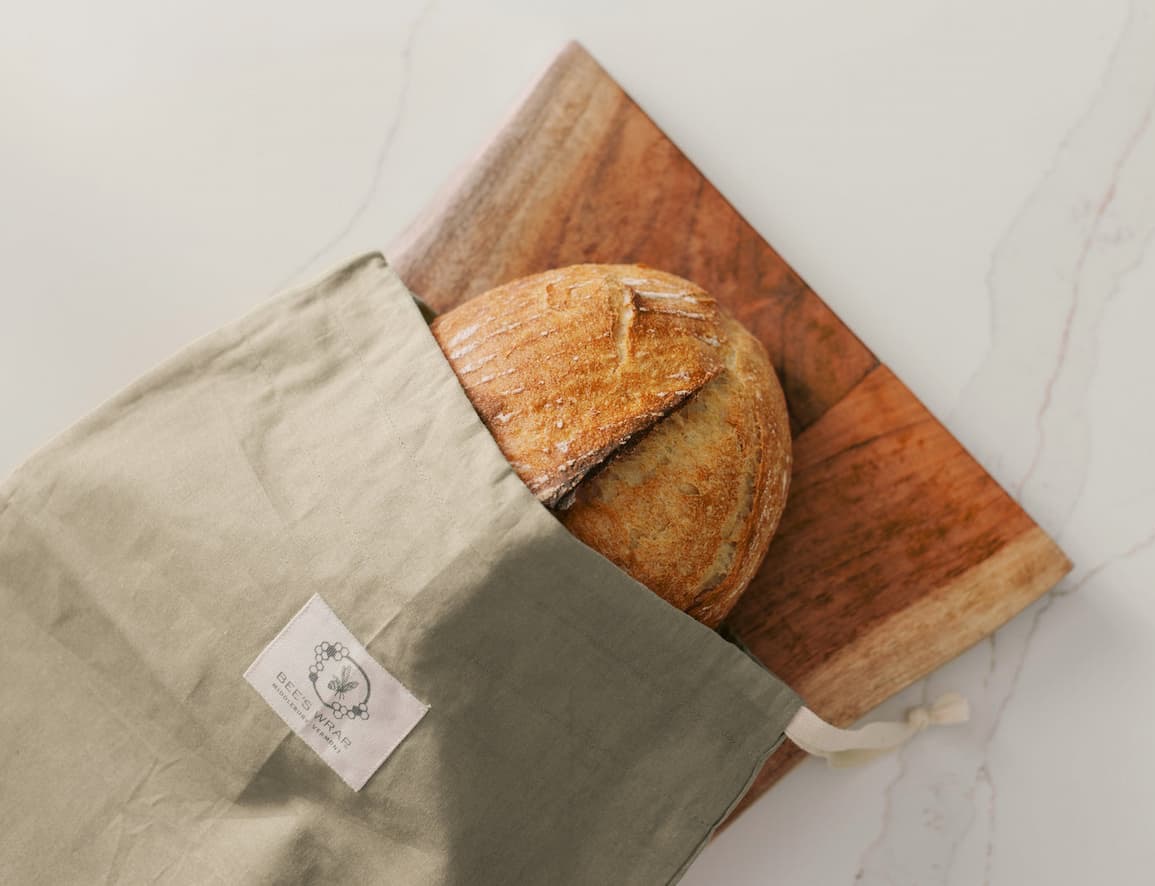
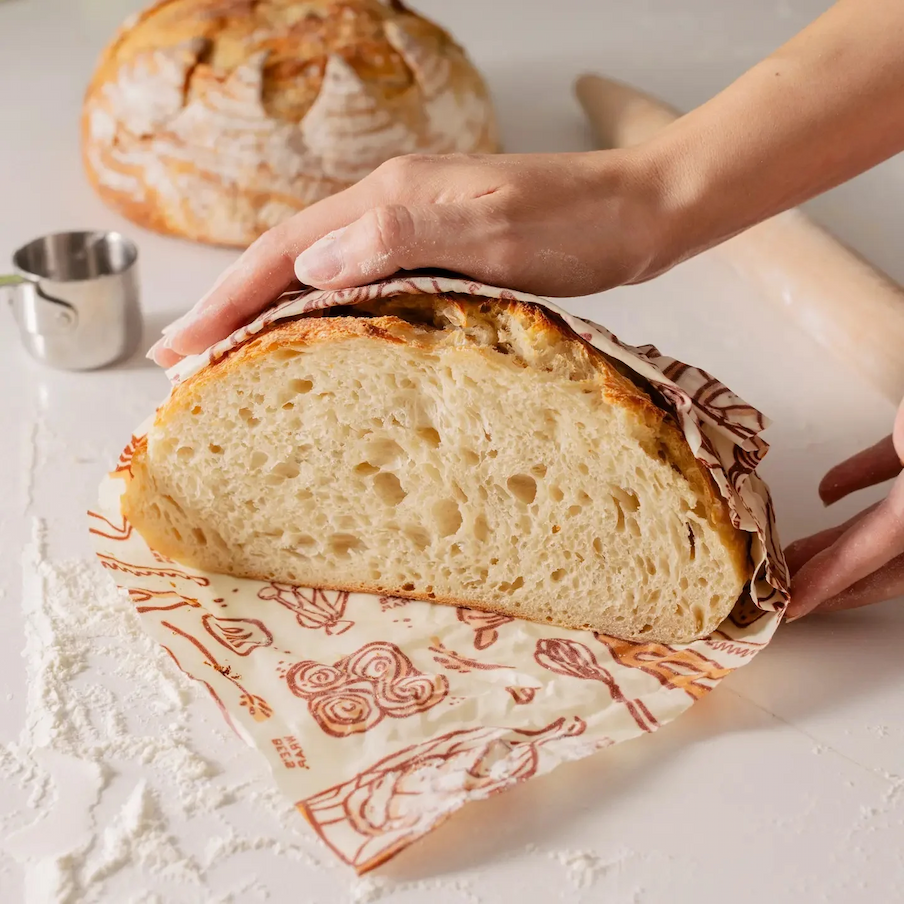
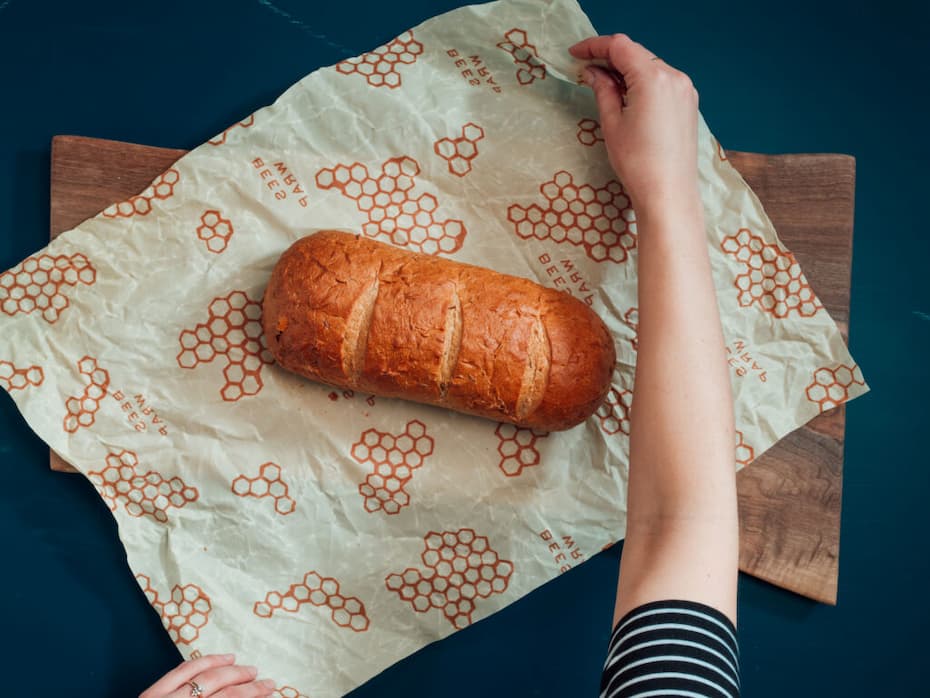
We actually brought in two versions: a beeswax-lined bread bag and larger beeswax-lined sheets that you can wrap around a loaf and then place in your own bread box or container. They arrived last week, and I promptly bought one of the bags for myself—along with a fresh loaf of our seeded sourdough, naturally.
This time, instead of putting the loaf in the freezer, I removed it from our plastic bread bag, slipped it into the beeswax-lined bag and left it on my kitchen counter in a cool spot.
And then I waited.
Every morning I took out one slice.
This morning, about a week later, I reached into the bag fully expecting to find that the remaining bread had become rock hard.
It hadn't.
The inside was still somewhat moist, the loaf wasn't hard, and my slice was absolutely perfect for toasting.
I was impressed.
So, of course, I wanted to know why.
The idea behind beeswax bread storage is actually quite simple. Bread doesn't particularly like either extreme. Too much exposure to air and it dries out quickly; trap too much moisture and you can end up with condensation, a softened crust and conditions that favor mold.
Beeswax-lined fabric sits somewhere in between. It creates a protective barrier around the bread while still allowing some breathability, helping the loaf retain moisture without completely sealing it inside an impermeable environment.
There is a little more science involved, too. Bread doesn't become stale simply because it “dries out.” The starches inside the bread gradually reorganize after baking, changing the texture of the crumb. How we store a loaf can influence how quickly we notice those changes.
I should add that I haven't abandoned my freezer entirely. Freezing is still the sensible solution if I want to keep bread for a long time. But for a loaf I'm actually eating every day, I love being able to leave it on the counter, reach into the bag each morning and cut myself a slice.
And I particularly like that both options are reusable.
If you like the convenience of having something specifically designed for a loaf, there's the bread bag. If you already have a favorite bread box or container at home, the larger beeswax-lined sheet lets you wrap the loaf first and store it your own way.
Sometimes the products we bring into the shops come from buying trips, designers or makers we discover along the way. And sometimes they begin with something much simpler:
I wonder if that actually works?
In this case, I can report that mine certainly did.
Now I'm wondering why it took me so long to try one.
You'll find both the beeswax-lined bread bags and the larger beeswax bread wraps in the Gourmet Store at The Belted Goat. And, of course, I recommend taking home a loaf of our Fearrington seeded sourdough to conduct your own experiment.